Iron Bisglycinate
The Gentle, High-Bioavailability Chelated Iron Powerhouse Driving Anemia Management and Full-Body Wellness for Modern Supplement Formulations
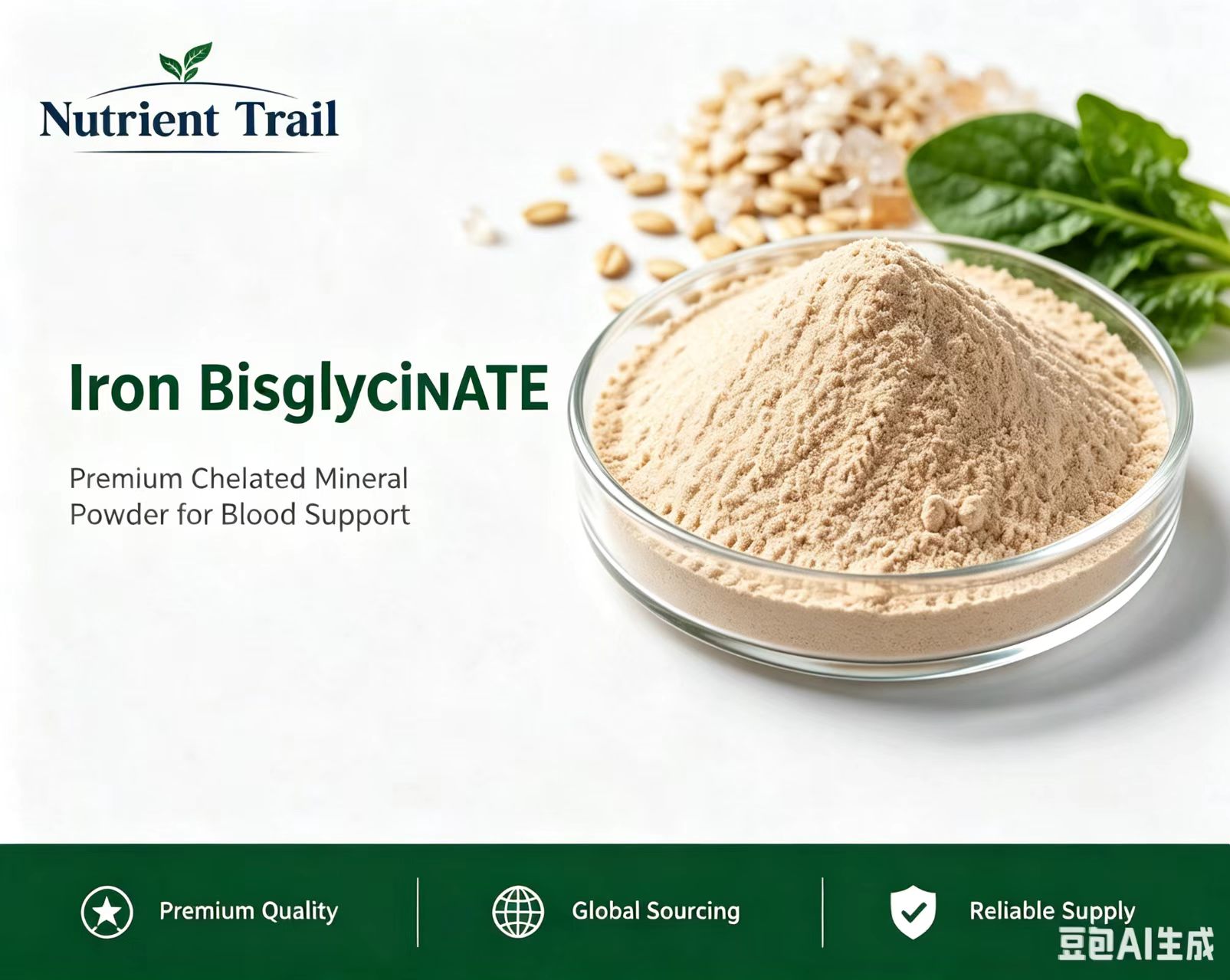
As global consumer demand for effective, well-tolerated iron supplementation continues to rise, Iron Bisglycinate has emerged as a premier amino acid-chelated iron source in the dietary supplement and functional food industry. Also known as Ferrous Bisglycinate, this patented chelate form features iron bound to two glycine molecules, creating a highly stable, neutral-charge complex designed to maximize absorption while minimizing the gastrointestinal side effects commonly associated with traditional iron salts. Widely integrated into premium formulations targeting iron deficiency anemia, fatigue management, and prenatal/postnatal nutrition, Iron Bisglycinate offers a clinically validated solution for populations with increased iron needs. Today, it stands as a key high-performance ingredient driving growth in the global women's health, sports nutrition, and daily wellness supplement market.
Product Specifications
|
Item
|
Specification
|
|
Product Name
|
Iron Bisglycinate (Ferrous Bisglycinate)
|
|
Chemical Name
|
Bisglycino iron(II)
|
|
Source Material
|
Food-Grade Synthesis (Ferrous Iron + Glycine)
|
|
Molecular Formula
|
C₄H₈FeN₂O₄
|
|
Molecular Weight
|
204.06 g/mol
|
|
CAS Number
|
20150-34-9
|
|
Appearance
|
Pale Yellow to Light Brown Fine Powder
|
|
Odor & Taste
|
Characteristic, Slightly Metallic
|
|
Solubility
|
Soluble in water, forms a clear to slightly hazy solution
|
|
Assay (Iron Content)
|
≥ 20% (typically 20-25% elemental iron)
|
|
Purity (by HPLC)
|
≥ 98%
|
|
Heavy Metals
|
≤ 10 ppm
|
|
Arsenic
|
≤ 0.0002%
|
|
Lead
|
≤ 3 ppm
|
|
Microbial Limits
|
Total Plate Count < 1000 CFU/g; Yeast & Mold < 100 CFU/g; Absence of E. coli, Salmonella
|
|
Shelf Life
|
24 Months
|
|
Storage Condition
|
Sealed, stored in a cool, dry, dark place, protected from moisture and heat
|
|
Why Is Iron Bisglycinate So Popular?
The widespread adoption of Iron Bisglycinate is driven by its unique ability to solve the long-standing dilemma of iron supplementation: the need for high efficacy without compromising gastrointestinal comfort. Unlike inorganic iron salts (like ferrous sulfate or ferrous fumarate), which can cause significant nausea, constipation, and gastric irritation, the chelated structure of Iron Bisglycinate allows it to remain stable in the gastrointestinal tract. It is absorbed via the amino acid transport pathway in the small intestine, bypassing the competitive inhibition from dietary components (like phytates and polyphenols) that hinder traditional iron absorption. This results in:
-
Superior Absorption: Studies show its absorption is 2-4 times higher than ferrous sulfate, especially when taken with food.
-
Exceptional Tolerance: Its neutral pH and stable chelate structure minimize gastric irritation and oxidative stress in the gut.
-
Reduced Side Effects: Significantly lower incidence of nausea, constipation, and epigastric pain compared to conventional forms.
-
Food Compatibility: Can be taken with meals without a significant drop in bioavailability, improving user compliance.
Research confirms that iron deficiency remains one of the most common nutritional deficiencies worldwide, particularly among women of childbearing age, adolescents, athletes, and individuals on plant-based diets. Iron Bisglycinate offers a solution that is both highly effective and patient-friendly, making it the preferred choice for modern, consumer-centric formulations.
Key Benefits of Iron Bisglycinate
-
High Bioavailability with Minimal GI Distress
Iron Bisglycinate's chelated structure protects the iron ion, allowing it to pass through the stomach without dissociating and causing oxidative irritation. It is absorbed via the divalent metal transporter-1 (DMT1) and possibly peptide transporters in the duodenum and jejunum, leading to efficient uptake with markedly reduced side effects like nausea and constipation commonly linked to ferrous sulfate.
-
Effective Support for Iron Deficiency and Anemia Management
As a highly bioavailable source of elemental iron, it effectively replenishes iron stores, supports the production of hemoglobin and red blood cells, and helps correct iron deficiency anemia. This translates to improved energy levels, reduced fatigue, and better cognitive function.
-
Ideal for Sensitive Populations and Long-Term Use
Its excellent tolerance profile makes it particularly suitable for pregnant and lactating women, individuals with sensitive stomachs, those with inflammatory bowel disease (IBD), and anyone requiring long-term iron supplementation. The ability to take it with food further enhances compliance.
-
Supports Athletic Performance and Recovery
Athletes, especially endurance athletes and menstruating female athletes, have increased iron requirements due to losses through sweat, hemolysis, and menstruation. Iron Bisglycinate helps maintain optimal iron status, which is crucial for oxygen transport, energy metabolism, and peak athletic performance.
-
Synergistic Formulation Potential
Iron Bisglycinate pairs excellently with other nutrients that support iron metabolism and red blood cell formation, such as Vitamin C (ascorbic acid), Vitamin B12 (methylcobalamin), Folic Acid, and Copper. This allows for the creation of comprehensive blood-building and energy support complexes.
Applications
Iron Bisglycinate is widely used across multiple product categories, including:
-
Prenatal and Postnatal Vitamins
-
Women's Health and Multivitamin Formulas
-
Anemia and Fatigue Management Supplements
-
Sports Nutrition and Performance Blends
-
General Wellness and Daily Multimineral Products
-
Pediatric Nutritional Supplements (in age-appropriate doses)
-
Functional Food and Beverage Fortification
Common dosage forms include:
Vegetarian Capsules, Tablets, Softgels, Gummies, Powder Sticks, Liquid Drops, and Fortified Drink Mixes.
Iron Bisglycinate vs. Other Common Iron Forms
|
Ingredient
|
Primary Characteristics & Considerations
|
|
Iron Bisglycinate
|
High absorption (2-4x ferrous sulfate), excellent GI tolerance, can be taken with food, minimal interaction with dietary inhibitors.
|
|
Ferrous Sulfate
|
Inorganic, low cost, high elemental iron, but poor absorption and high incidence of GI side effects (nausea, constipation).
|
|
Ferrous Fumarate
|
Inorganic, moderate cost and absorption, better tolerance than sulfate but can still cause GI issues.
|
|
Ferrous Gluconate
|
Inorganic, lower elemental iron content, moderate absorption, generally better tolerated than sulfate.
|
|
Heme Iron Polypeptide
|
Derived from animal hemoglobin, high absorption via a different pathway, no GI irritation, but higher cost and not suitable for vegetarians/vegans.
|
|
the superior bioavailability and tolerability of Iron Bisglycinate make it the leading choice for consumer-friendly, high-efficacy iron supplements, despite its typically higher raw material cost compared to inorganic salts.
Market Opportunity
The global iron supplements market is expanding, fueled by growing awareness of iron deficiency and demand for better-tolerated options. Iron Bisglycinate is at the forefront of this trend. Key drivers include:
-
Rising prevalence of iron deficiency, especially among women, athletes, and vegetarians/vegans.
-
Consumer rejection of supplements that cause unpleasant side effects, driving demand for "gentle iron."
-
Growth in the premium prenatal and women's health supplement categories.
-
Increasing formulation of "clean label" and consumer-friendly mineral supplements.
Frequently Asked Questions
1.What is Iron Bisglycinate?
Iron Bisglycinate is a chelated form of iron where a ferrous (Fe²⁺) iron ion is bound to two molecules of the amino acid glycine. This creates a stable, well-absorbed complex that is gentle on the stomach.
2.Why is Iron Bisglycinate better tolerated than other irons?
The chelate bond protects the iron ion, preventing it from reacting freely in the stomach and causing oxidative stress and irritation. It is absorbed as an intact complex via pathways different from traditional iron salts.
3.Can I take Iron Bisglycinate with food?
Yes, one of its key advantages is that its absorption is less affected by food, phytates (found in grains and legumes), and polyphenols (found in tea and coffee) compared to inorganic iron salts. This allows for greater dosing flexibility and improved compliance.
4.What is the typical dosage?
Dosage depends on the severity of deficiency and individual needs. A common supplemental dose for adults is in the range of 18-28 mg of elemental iron per day (which corresponds to a higher amount of the Iron Bisglycinate compound itself). It is crucial to follow product labels or a healthcare provider's recommendation.
5.Are there any side effects?
Side effects are uncommon and typically mild when they occur (e.g., slight stomach upset). It is generally considered the best-tolerated form of non-heme iron available.
Looking for a Reliable Iron Bisglycinate Supplier?
As demand for high-efficacy, gentle mineral ingredients grows, consistent quality, proven bioavailability data, and regulatory compliance are essential. Nutrient Trail supplies premium-grade Iron Bisglycinate that meets stringent global standards for dietary supplements and functional foods. We provide full technical support, including Certificates of Analysis (COA), bioavailability studies, and stability data to ensure your product's success.